George Loves Weather

Have a Better Life By Using Weather Instruments

  • Mounting
  • Reviews
    • AcuRite
    • Ambient
    • Davis Instruments
    • La Crosse
  • Kids
  • Learning
  • About
    • All About George
    • About George Loves Weather
    • I Own and Develop George Loves Weather-My Background
  • Contact Us
You are here: Home / Home

Site Placement-Install Your Weather Station

Placing Your Personal Weather Station Excerpt

Placing Your Personal Weather Station Excerpt

Where Is The Best Place To Locate Your Weather Station?

A Site Review PDF I Created As A Guide  

  • Find out where your weather instruments will work best for you

  • Locate any bad places for your weather station instruments
  • Enjoy all the benefits of your weather station

Don't end Up Wasting Your Money

This site placement outline will ensure you get the results you were looking for

See how easy it is to use this PDF Guide by scoping out all the most important things to effectively use all instruments

Check out my video as I walk you through a property using this outline

Sign Up Below To Get Access To Your FREE Copy


George Drum

Owner/Reviewer

Thanks for using and viewing my content at georgelovesweather.com. It is my pleasure to provide the content and information for you. Use it in Good Health! I hope you get as much enjoyment from your weather station as I do from mine.

Weather Station Site Placement PDF Excerpt

Weather Station Site Placement PDF Excerpt

So if you have interest in getting the most from your weather station this will definitely help you with that.

If you do have any questions about this report please feel free to contact me at george@georgelovesweather.com.

Please give me two business days to respond. Thanks for using our site.

Copyright 2022 georgelovesweather.com - Privacy Policy
Weather Station Pole Mounting Kit-Quicker And Easier For You

Do You Have a Personal Weather Station?

The easiest way to install it would be to use a weather station pole mounting kit. This is easier and more efficient for you.

If you do have a personal weather station, I know you will have to install it. 

So why not think of using a weather station pole mounting kit as a simpler way to get those weather instruments out there creating weather information for you to use.  This then will make your life run better.

Weather stations provide a wealth of data about the outdoors.

The only problem is that these devices are typically mounted on rooftops or long poles. 

This can create harder installation problems for the owner.

So you need to respond to this by figuring out if using a mounting pole kit could make your instrument installation better, quicker, and easier to install.

This means that a weather station mounting pole kit is a great way to get the most out of your weather station.

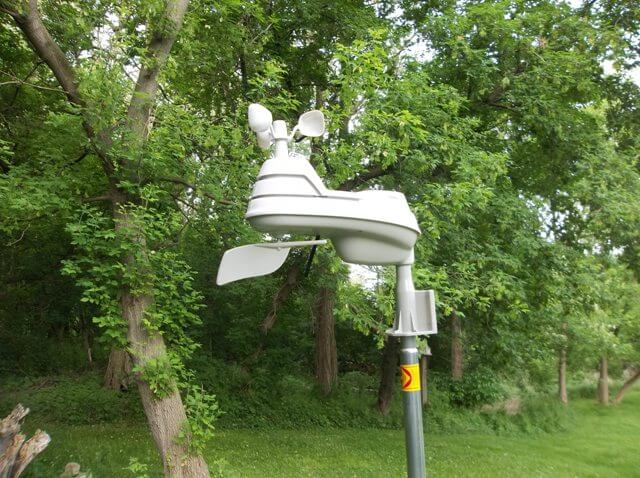
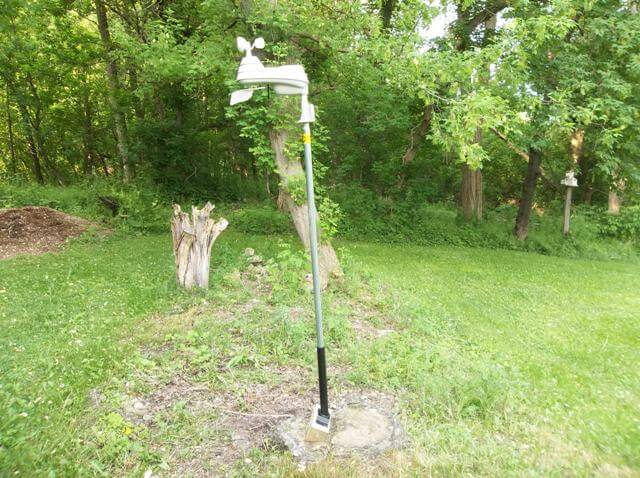
weather station pole mounting kit

Weather Station Pole Mounting Kit

What Are the Benefits Of Using a Pole Mounting Kit?

There are many benefits to using a weather station pole mounting kit.

These benefits of using a weather station mounting pole kit are outlined below.

Here are just a few of them:

  1. Increased stability: A weather station pole mounting kit provides increased stability for your weather station, ensuring that it is correctly positioned and less likely to be damaged in strong winds. A weather station pole mounting kit helps to stabilize your weather station, preventing it from being blown over in strong winds.
  2. Greater flexibility: With a weather station pole mounting kit, you have greater flexibility in terms of where you position your weather station. This allows you to position it in the most ideal location for accurate readings.
  3. A weather station pole mounting kit helps to protect your weather station from heavy rains, allowing the rainwater to run off harmlessly.
  4. A weather station pole mounting kit helps to keep your weather station away from curious animals, who might damage it in their efforts to investigate.

If you're looking for weather station mounting pole ideas, then you'll want to check out weather station pole mounting kits.

Anyone who has ever shopped for weather station mounting poles knows that there is plenty of weather station mounting pole ideas out there.

Here are just a few ideas and what a weather station mounting pole kit looks like.

Take a closer look at a few types presented to you. See what matches your selection very accurately.

[amazon box=”B003EABA02,B003EB3A5E,B07BNSL21G,B003EB39GO,B01139UHCW,B08CV33V51
” grid=”3″]

How Easy Is It To Install a Pole Mounting Kit?

First, they're designed to be easy to install.

This means that you won't have to spend hours trying to figure out how to put your weather station together with the mount.

A weather station pole mounting kit makes installation easier, as all of the necessary components are included in the kit.

A weather station pole mounting kit is a quick and easy way to mount your weather station wherever you want it.

However, putting the mount on the ground is not an option as well because it would be very unstable. 

Most weather instruments simply do not work well on or near the ground.

Most people choose to put the mount on their roof or in their backyard, but sometimes people cannot afford these options or they don't have an appropriate place for it.

In these cases, mounting poles are the best solution.

So you can see mounting a weather station on a roof often is the best place for your weather station.

 How To Do A Pole Mount Kit Assembly 

YouTube Video to give you an overview of the type of things you will be doing when setting up a mounting kit.

Owners of personal weather stations will  be mounting with a pole mounting kit.


Table of Contents
Do You Have a Personal Weather Station?
What Are the Benefits Of Using a Pole Mounting Kit?
How Easy Is It To Install a Pole Mounting Kit?
I Believe Using A Mounting Pole Kit Is Easier
What Kind of Poles Can Be Used With a Pole Mounting Kit?

Did You Have Any Trouble Mounting the Weather Station Pole Kit?
How to Use a Pole Mount Kit
How high off the ground should the pole be installed?
In Conclusion

I Believe Using A Mounting Pole Kit Is Easier

But is it really easier to just use a weather station pole mounting kit?

For starters, weather station kits come with everything you need to get started. 

No need to go out and buy a bunch of different parts - the kit includes all the basics.

Plus, weather station mounting kits are designed to be easy to install. Most weather station kits can be installed in just a few minutes, without any special tools or expertise.

So why not save yourself some time and hassle by using a weather station pole mounting kit?

mounting weather station on roof

What Kind of Poles Can Be Used With a Pole Mounting Kit?

When we think of mounting weather station poles, many people think of large poles that they need to mount the weather station on.

This is not always the case. Weather stations can be mounted on walls with a mounting bracket, or they can be attached to trees.

The bottom line is that there are plenty of ways to mount a weather station pole or two.

The placement and type of a weather station are important to the data it will collect.

There are different types of weather stations, but the most common one is mounted on a pole.

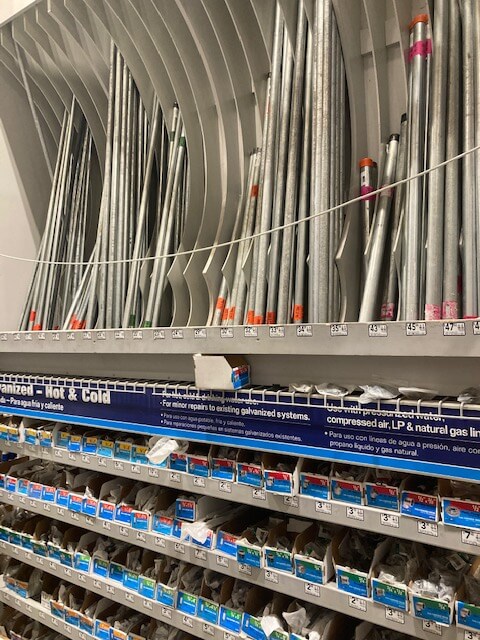
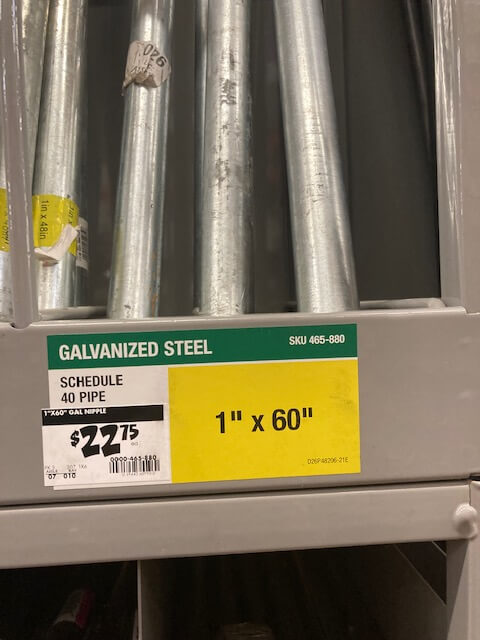
The types of poles used are usually galvanized pipes.

These will depend on the heights needed, how large in diameter is needed as well to fasten the sensor array snuggly over the top of the support weather pole.

how to mount a weather station on a pole

Did You Have Any Trouble Mounting the Weather Station Pole Kit?

If you are looking for an idea on how to mount a weather station pole, you should consider installing it on the ground.

Installing a weather station pole in the ground will make it easier to measure the wind, snow depth, and temperature.

It will also increase the accuracy of the data collected.

Installing the pole at ground level has three advantages. It will save you money in terms of cost, installation time, and effort. 

Plus, it will make your weather station easier to access for future maintenance or adjustments.

Yes, you do need to consider the future maintenance and repairs, upkeep, etc, that will be necessary in keeping your weather instruments humming along doing their thing for you.

One of the best ways of finding a pole mount kit is to make sure that it's compatible with your weather station.

This ensures that the measurements will be accurate, which is essential when it comes to safety and other important factors.

Mounting Pole Ideas

Weather Station Mounting Pole Ideas

How to Use a Pole Mount Kit

If your pole mount kit has arrived, then it's time to start using it.

Before you start, make sure that the pole is secure in place and that the screws are tight.

If you're unsure about this step, then consult with your local weather station supplier for more advice.

You'll need to connect your weather station to the pole mount kit via a cable.

Next, set up your sensors according to the instructions that come with your kit.

If you're not sure about how to do this, then consult with someone who is familiar with the process. 

When everything is ready, then it's time for you to start using your new weather station.

How high off the ground should the pole be installed?

Most weather station pole mounting kits come with a suggested height for the pole, but this is only a starting point.

The actual height of the pole will depend on a number of factors, including the type of weather station being used, the location of the weather station, and the weather conditions in the area.

Please refer to either one of these three fact-filled posts that thousands of my viewers have found very beneficial to read.

What’s Involved in Weather Station Mounting-Getting the Most From Your Weather Station

   Tips For Mounting A Personal Weather Station      What You Should Know About Weather Station Mounting Systems

For example, if the weather station is being used in an area with high winds, it will need to be installed higher off the ground to avoid being blown over.

Likewise, if the weather station is located in an area with a lot of snowfall, it will need to be installed at a height that will allow for accurate snow depth measurements.

Ultimately, the best way to determine the ideal height for your weather station pole is to experiment until you know all of your weather situations will be handled by your choice.

Galvanized pole

Galvanized Pole,

In Conclusion

There is no definitive answer to the question of how high off the ground the weather station pole should be installed.

The answer depends on a number of factors, including the type of weather station being used, the terrain around the installation site, and local weather conditions.

You can get your Free copy of my Site Placement- Install Your Weather Station PDF.

This will help you in deciding the type of weather station mounting pole kit you buy to use.

In general, however, it is best to err on the side of caution and install the weather station pole at least 10 feet off the ground.

This will help to ensure that the weather station is not damaged by high winds or heavy rains.

Good luck, and please remember if you have any questions or comments please write me at george@georgelovesweather.com.

How To Ground a Weather Station and Why It Is Important

Do You Think It’s Necessary To Ground Your Weather Station?

In this post, I am going to discuss how to ground a weather station for beginners. I am going to be very basic yet very comprehensive about giving you the information you can use.

You will be able to make a solid decision about whether you need to ground your weather station or not.

Most people understand the importance of grounding an electrical device. For example, when you plug a lamp into a wall outlet, you expect the current to flow from the outlet, through the cord, and into the lamp.

If there is any damage to the cord, or if the current somehow jumps out of the cord, you expect the grounding system in your home to divert the current into the earth so it can’t hurt anyone. The same principle applies to weather stations.

How to ground a weather station

Lightning in Wyoming

Your Weather Station and How To Ground a Weather Station

A weather station is basically a set of sensitive electrical instruments that are exposed to the elements. If these instruments are not properly grounded, they can be damaged by lightning or static electricity.

Lightning dangers to personal weather stations are real and they should be taken seriously. It’s important to know how to ground a weather station so you will need to ground your weather station in order to protect your investment in the future.

Most weather stations come with some sort of grounding system. You need to check with the directions you have received.

However, there are a few things to consider before grounding your weather station.

  • First, consider the location of your station. If you live in an area with high humidity, you may want to avoid grounding your station. This is because the moisture in the air can cause corrosion, which can damage the station over time.
  • Second, consider the type of soil in your area. If you live in an area with sandy or rocky soil, it may be difficult to properly ground your station.
  • Finally, consider the amount of time and effort you are willing to put into maintaining your station. Maybe you are not willing to regularly check and replace the grounding wire.

What’s The Big Deal About Lightning

Lightning is a danger to personal weather stations. The National Weather Service recommends that you ground your weather station to provide protection from lightning.

While it’s rare, lightning can strike an elevated tower or antenna and jump through the air to a ground-level electronics device. Lightning strikes are more than just an atmospheric event.

A single bolt of lightning can carry up to one billion volts of electricity and as many as 100 million amps. The electricity from a lightning bolt is enough to power several homes for an hour.

A lightning bolt can be as hot as 50,000 degrees Fahrenheit and can reach temperatures of over 3,000 degrees Kelvin.

This type of power running through a cable is enough to damage or destroy an electronic device. With the increasing number of personal weather stations, there has been a rise in the frequency of these types of accidents.

Mounting your weather station on the ground will help ensure that you’re safe from lightning strikes.

The next step is to make sure your cable doesn’t cause a short on the device. If you have an oscilloscope, multi-meter, or other electrical test equipment then you can test this with these tools.


Where In The United States Is Lightning More Likely To Be

So in researching lightning in the United States, I find that the following States are Texas, Kansas, Nebraska, Oklahoma, Florida, Missouri, South Dakota, Iowa, Colorado, and New Mexico.

Coincidentally all of these states with Florida the exception, are part of the Midwestern USA, where weather is much more volatile at times.


It is from the hyper-active weather that violent weather clashes occur and lightning is a product. Check out the U.S. Lightning Map


Also, you may be interested in Which States Have the Most Lightning Strikes. Did you know that Florida has been given the title of the “Lightning Capital of The U.S.” because it receives 223 lightning strikes per square mile!

U.S. Lightning Map

U.S. Lightning Map

Why Is It Important To Ground a Weather Station?

When a lightning strike occurs, it follows the path of least resistance and will enter the ground through any wire or rod that is close by. Proper grounding of your weather station is important for two reasons.

  • First, it helps to protect your station from lightning damage. A well-grounded system will provide a low-resistance path for the lightning current to flow through, helping to minimize the risk of damage to your equipment.
  • Second, grounding can help to improve the accuracy of your measurements. In particular, grounding can help to reduce the effects of static electricity, which can interfere with sensitive sensors.

A weather station is an important tool for any meteorologist. It helps to measure the temperature, humidity, wind speed, and barometric pressure in an area, providing valuable data that can be used to forecast the weather.

However, a weather station is also vulnerable to lightning strikes. If a strike occurs close to the station, it can damage the equipment or even start a fire.

do i need to ground my weather station

Some Ideas On How To Protect Your System

To protect your weather station from lightning, it is important to ground it properly. Grounding the station will create a pathway for the electricity to flow away from the equipment, redirecting the strike and preventing damage.

While there are a number of ways to ground a weather station, one of the most effective methods is to use a ground rod.

You can use a grounding rod kit, which includes a clamp that attaches to the weather station and a rod that connects to the grounding system for your home.

Ground rods are typically made of copper or other conductive material, and they are driven into the ground to a depth of at least six feet.

Do You Know How To Properly Ground Your Weather Station?

If you have a weather station, you may be wondering if you need to ground it. Many people don’t realize how important it is to ground their weather station.

The answer is that it depends on the type of weather station you have and the location of the station. If your weather station has a lightning detector, it should be grounded.

A weather station that is not properly grounded can be affected by static electricity, which can cause problems with the accuracy of the readings.

If your weather station is located in an area that is prone to lightning strikes, it is important to ground the station to protect it from damage.

If your weather station is not located in an area that is prone to lightning, you may not need to ground it.

 Additionally, if there is a lightning strike nearby, the ungrounded weather station may be damaged by the electrical current.

how to ground a metal pole

You Need To Ground Your Weather Station

If you’re not sure how to ground your weather station, there are a few things you can do. First, check the instructions that came with your weather station.

If they don’t provide clear instructions, you can contact the manufacturer for more information.

You may also want to consult an electrician to make sure that you’re grounding your weather station correctly.

Remember, proper grounding is essential for ensuring accurate weather readings.

What Are the Benefits Of Grounding a Weather Station?

Grounding a weather station is one of the most important steps in ensuring accurate readings. By grounding the station, you are essentially creating a Faraday cage.

This helps to shield the sensitive equipment from electrical interference that can cause inaccurate readings.

Additionally, grounding the station helps to protect against lightning strikes. If a strike does occur, the electricity will be directed into the ground instead of damaging the equipment.

While it is possible to get accurate readings without grounding the station, it is much less likely.

A weather station that is not properly grounded can produce readings that are off by as much as five degrees Celsius.  

As a result, anyone serious about their weather monitoring should take the time to learn how to properly ground their station.

weather station mount in Florida

Weather Station Mount in Florida

How Can You Tell If a Weather Station Is Properly Grounded?

A weather station is properly grounded if it is connected to a metal rod that has been driven into the ground. The rod should be made of copper, aluminum, or other non-corrosive material.

The connection should be made using heavy gauge wire, and the entire system should be checked regularly to ensure that it is in good working order. 

Additionally, grounding also helps to reduce interference from other electronic devices. 

If you are unsure if your weather station is properly grounded, you can contact a professional for assistance.

There are a few things you can do to make sure your weather station is properly grounded.  Check the connections to make sure they are tight and free of corrosion.

Second, check the ground rod or stake to make sure it is driven into the ground deep enough. The rule of thumb is that it should be driven in at least 6 feet.

What Are The Consequences Of Not Grounding a Weather Station?

Failing to properly ground a weather station can have several consequences. First, it can lead to inaccurate readings.

Without proper ground, the sensors in the weather station can pick up electrical interference from nearby power lines or other sources, leading to skewed data.

If a lightning bolt hits the station, the electricity will flow through the metal frame and into the ground instead of being discharged into the air. This can cause a fire or damage the electronics.

Finally, not grounding a weather station can create safety hazards for anyone who touches the equipment. If there is an electrical charge building up in the frame, it could shock or even kill somebody who comes into contact with it.

Is It Necessary to Ground a Weather Station in Lightning-prone Areas?

If you live in an area that is prone to lightning, you may be wondering if it is necessary to ground your weather station.

The answer is yes, it is necessary to ground your weather station in order to protect it from damage.

Lightning can cause a power surge that can damage electronic components, so it is important to have a way to dissipate the electrical charge.

Grounding your weather station will help to protect it from this type of damage.

where should weather stations be located

Are There Any Other Ways To Protect a Weather Station From Lightning Damage?

You can ground your weather station by attaching a copper wire to the base of the unit and running it underground to a grounding rod. For best results, consult with a qualified electrician to ensure that your weather station is properly grounded.

However, if you really want to get into grounding your weather station, what I suggest (if you have the time) is to study the NEC notes and thoughts on grounding a TV antenna, (probably the closest thing to a weather station) that you can use as a comparison.

So go to national electrical code 810.21.

This is an excellent source of information, that you can read and decipher for yourself to see what you understand, what you need for supplies, and what you can do to properly ground your weather station.

Of course, I earlier discussed in great detail many questions that come up with how to ground a weather station.

Should you decide you even need to do this, good luck as it is a detailed job, and having the knowledge to do this well, is a job in itself.

Earlier I wrote a post on how to get the most from your weather station, you may go here for some other information on lightning proofing, What’s Involved in Weather Station Mounting-Getting the Most From Your Weather Station.

I include an excellent video that you may watch to help you out.

Best Weather Station For Kids

What a Best Weather Station For Kids Looks Like

In my search for best weather station for kids, I will take you through 3 key areas in this article.

  • In my search for what the best weather station for kids is, I knew that it had to teach the child something.
  • It had to also instill in the kid a come back to it (Stickiness). They needed to have enough interest that what a weather station would provide for them would be something that they could use and benefit from. It would be useful to them throughout their life.
  • I also knew that the weather station needed to be good enough that the child could use it and use it over and over again and it wouldn't break and become useless to them. It needed to become a "counted-on friend" to them.
Weather Station For Kids Education

Weather Station For Kids Education

Where Did I Search and Find the Best Weather Station For Kids

So in my search, I did find that many companies have worked on and released some weather stations to fill this need.

Later on, I will make some suggestions from my experience and research.

Major companies such as AcuRite, Davis Instruments, Ambient haven't really gone into the kids market.

However, La Crosse does have a weather station that will appeal to a young lady who has an interest in the sciences and weather instruments.

La Crosse Technology WS-9782U-IT Wireless Temperature Station with Advanced Weather Girl Icon

So where did I find my suggestions? Well, I found them being sold on the world's largest marketplace, amazon.com.

I believe have a few choices that will excite, teach and create interest in your child.

My First weather station

What Will Your Child Learn?

Our weather produces our climate. Climates vary as you travel around the world.

I know you will find that the basics of weather never change. 

These basics are listed as temperature, relative humidity, wind direction, wind speed, and humidity

I would say the instruments in the best weather station for kids, a choice would then need to include a thermometer, a hydrometer, an anemometer, and a wind vane.

They will get to measure these conditions from their own backyard.

However, some of the products that I found go in the direction of teaching some of the laws of physics that apply as well as working with providing some experimentation creating weather happenings in a limited variety to teach the principles of what happens in weather events.

 Older teenagers learn how these various weather phenomena relate to each other and the laws of physics.

These weather events range from lightning to hurricanes, tornadoes, and to different types of precipitation such as sleet, snow, hail, rain, etc.


Table of Contents
Where Did I Search and Find the Best Weather Station For Kids

What Will Your Child Learn?
Some Questions For Kids With Personal Weather Stations
Here Are Some Tips On Choosing The Right Weather Station For Them
Take a Look At The Weather Station Measurements Tool
Some Other Things To Think About With Choosing A Weather Station
The Design of the Best Weather For Kids Needs To Be Considered
Durability Can Be An Issue As Well
Let's Look At My Suggestions

Some Questions For Kids With Personal Weather Stations

1. Do you think measuring the weather is important? Why or why not?
2. How do you think different weather conditions feel?
3. What's your favorite weather condition to experience?
4. How do you think the weather affects our moods?
5. When do you think it's important to measure the weather?

You could also have kids relate to and learn from answering questions like:

1. Ask them how they think temperature works.
2. Have them give you examples of everyday items that have temperature measurements on them.
3. Compare and contrast Celsius and Fahrenheit measurements.
4. Ask them to tell you about their favorite weather conditions, and why they like those particular weather conditions the best.

If these questions don't work to peak the interest you need from the kids as students you could try these questions. See what you think.

1. What's your favorite weather?
2. Why do you like that weather?
3. How does the temperature feel today?
4. What's the temperature in Celsius and Fahrenheit?
5. How many degrees is it hotter than yesterday?

I am sure these will inspire interest and get you to feedback from your kids. Give it a try.

best weather station for kids

Here Are Some Tips On Choosing The Right Weather Station For Them

In this part, I want to discuss things that you need to know about to correctly make wise choices for the best weather station for kids.

Your kids and their future is very important to you.

You want the best for them, so follow this information, it will allow you to make a solid list of what you will be looking for when making your selection.

This section will discuss the importance of correctly placing weather station measurements tools in order to collect accurate temperature readings.

Accurate temperature readings are important as they provide valuable information about the weather.

The most common types of weather station measurements tools are thermometers, barometers, and hygrometers.

Thermometers measure the air temperature, barometers measure air pressure and hygrometers measure relative humidity.

The placement of these tools is crucial for accurate results because some factors such as wind speed and direction can affect the data collected by these tools.

kid-friendly weather stationEducation

Take a Look At The Weather Station Measurements Tool

Weather and atmosphere data resources found on the NOAA site have many resources to use to help educate children about the weather.

This will be from a nation and world point of view.

It will help your child learn how to measure different weather conditions such as temperature, humidity, barometric pressure, and rainfall. You may go to

Weather and atmosphere data resources page

Some Other Things To Think About With Choosing A Weather Station

Younger kids are fascinated by the simplicity of a weather station.

A weather station is an easy way to teach kids about the basics of weather. The most basic stations include thermometers, rain gauges, and wind meters.

These devices are interactive and fun for children to use.

They can learn about temperature changes, rainfall, and wind speeds without having to travel outside their home.

The sensors on a weather station can be the key to finding the perfect balance.

When choosing a station for your children, it's important to take the type of sensor into account.

The more accurate and in-depth the sensor is, the better your child will be able to learn while still having some fun.

primary school weather station

The Design of the Best Weather For Kids Needs To Be Considered

What else should you be thinking about? Just make sure that what they’re getting will look realistic.

If it’s a real instrument, make sure that it’s digital with readable indications.

If the product is designed for kids as a weather learning toy type weather set, then you need to make sure you should consider just how realistic the chosen weather set is.

Your kid should know what a real anemometer with cups looks like based on their device.

If you’re getting them a real weather station, make sure it’s digital with readable information on the console.

Durability Can Be An Issue As Well

For children, durability is a major issue, so we recommend that you avoid electronic personal weather stations.

Instead, look for a model where you and your child can build it together, or is made of a few parts and easy to install.

If you are willing to invest in a weather station, we recommend the following models: The Davis Instruments 6152 Vantage Pro2 Wireless Weather Station and the Davis Instruments 6250 Vantage Vue Wireless Weather Station:

These weather stations have an LCD screen with an alarm that is easy for children to understand.

For example, if the temperature is below -5 degrees Celsius, it will alarm if this is a critical level.

Now is the time to take a close look at a handful of weather station-type products that I believe may help your child learn about the weather.

Take some time and examine what these products offer the student.

[amazon box=”B002LLVFK0,B001AMRCDU” grid=”2″]

These weather stations have an LCD screen with an alarm that is easy for children to understand. 

For example, if the temperature is below -5 degrees Celsius, it will alarm if this is a critical level.

Let's Look At My Suggestions

Now is the time to take a close look at a handful of weather station-type products that I believe may help your child learn about the weather.

Take some time and examine what these products offer the student.

[amazon box=”B000G3LR9E” template=”horizontal”]

[amazon box=”B07WZVHDSK” template=”horizontal”]

[amazon box=”B013BOA86W” template=”horizontal”]

[amazon box=”B007WDGZDY” template=”horizontal”]

[amazon box=”B002HHQ8X2″ template=”horizontal”]

[amazon box=”1603800875″ template=”horizontal”]

Weatherbug Weather Station For Schools-A Complete Guide

A WeatherBug Weather Station for Schools Involves What?

This post is all about the WeatherBug weather station for schools. You will find as you read that I cover everything I have researched that you need to know about WeatherBug and schools.

To start with, you should know Weather Bug Schools is a community-based program.  It will involve a program where your school will be partnered with over 80 TV stations across the USA.

You (the School) will be set up to act in the following ways.

Let's look first at some siting factors you must face when picking out where the WeatherBug weather station will be set up.

They (WeatherBug) have a extremely complete site set guide listed as a PDF that you will need to look at, study, complete, and submit to them.

 You may access the PDF here:

Atmosphere Investigation Site Definition Sheet.pdf.

This is all part of the acceptance process.  

WeatherBug Weather Stations For Schools

WeatherBug Weather Stations For Schools

The Schools Involvement Looks Like This

Students will have access to real-weather equipment. It brings a real weather situation into the classroom. Interactive lessons and tools are used in lessons.

Safety is provided by early warning systems. Lightning and severe weather are covered and keep the students and community safer.

Students, faculty, and visitors are protected. Advanced warning alerts are sent out, using various devices and desktop computers. These devices send alerts to multiple locations.

Motivation is provided for teachers as they will have access to fun, and engaging programs, which provides the students with real-life skills and knowledge.

  • Temperature Readings
  • The Best Accurate Wind Speed
  • The Best Relative Humidity Reading
  • You collect most accurately the rain that fell amount. You set up your Rain Gauge to do its best job.

Training modules are provided and designed for teachers to get the most out of the program. Time-lapse imagery is used.

Homework and on-the-go studies are all covered. Over 8000 stations across North America, provide a complex map of always updated local weather information.

Let's Take a Detailed Look at Equipment

The following equipment makes up the WeatherBug schools equipment

1. Wind sensor- wind speed and direction

2. Sensor shelter- Temperature, relative humidity, heat index, wind chill, barometric pressure, dew point, wet bulb, and more

3. Rain Gauge- Daily, monthly, and yearly rainfall totals and averages

4. Lightning sensor (optional) Integrated in-cloud (IC) and cloud-to-ground (CG) lightning detection sensor

5. HD Camera (optional) - Stationary or pan, tilt, and zoom HD cams incorporate state-of-the-art image enhancement technologies in a compact body. This allows users to capture clear and bright images and videos. This brings to life many challenging natural environments.

6. WeatherBug Network Appliance. connects an IP-enabled device that connects easily;y to the internet. It provides fast transmission of your station's data. It also has a 72-hour battery life and reboots automatically as needed.

7. WeatherBug LCD Display. The LCD can be installed in school offices, classrooms, science labs, hallways, or any other high traffic area.

WeatherBug Schools Equipment

WeatherBug Schools Equipment

  • It reports on:
    Current Conditions
    Forecast (a 3-day Forecast)
    Doppler Radar
    Local Weather Alerts
    Live and Time-Lapse Camera

So How Does WeatherBug Weather Station For Schools Work

Protocol for the Weatherbug Schools Program is set up as follows. You see WeatherBug Weather stations (free for approved schools) works as a scientific weather instrument feed for the Earth Networks company.

Earth Networks provides several different weather-sourced programs for various companies around the world.

As an example, they source out the weather forecast to businesses for specific events or specific needs. Some examples of weather related studies and help they provide:

  • Heat Stress Safety
  • Public Safety & Emergency Management
  • Business Continuity Planning
  • Data Science & Analytics
  • Severe Weather Tracking
  • Risk Management
  • Drone Operations

Table of Contents
A WeatherBug Weather Station for Schools Involves What?
The Schools Involvement Looks Like This
Let's Take a Detailed Look at Equipment
This WeatherBug Weather Stations For Schools Reports
Having A Weather Bug Station For Schools Is Affecting Climate Studies
The WeatherBug HD Camera Can Be Added
A Look At the Terms & Conditions Of This Program (Overview)

In Conclusion: My Thoughts On The WeatherBug Weather Station For Schools Program

They provide this assistance to these types of industries

  • Airport Operations
  • Weather Broadcasting
  • Club And Sport
  • Education
  • Military
  • Mining
  • Parks & Recreation
  • U.S. Federal Government
  • Wind Energy

Telematics- optimize these situations. Such as Fleet Management,  Driverless Cars, and Navigation. All of this utilizes their 48-hour local road condition forecast reports.

They also work on reports that aid the retail-supply chain operations and the construction industry as examples.

WeatherBug Weather Stations

Weather Conditions At Your School

This WeatherBug Weather Stations For Schools Reports

Once your school is collecting data, and transmitting data all the time to the EarthNetworks computers this information is all collated and sent along to the GLOBE project.

A special GLOBE atmosphere study is defined for the school Earth Networks weather stations. 

So the WeatherBug Weather Station is helping to define and work within the GLOBE study.

This is all part of the 8000 WeatherBug networks of home or personal weather stations.

All help by supplying data to the overall trending and thriving weather conditions within the North American region of the world.

 8000 Weatherbug Stations Across The USA

8000 Weatherbug Stations Across The USA

Having A Weather Bug Station For Schools Is Affecting Climate Studies

Teachers in the WeatherBug program should be made aware of all of the educational opportunities for teaching. I want to list all of the areas of study that WeatherBug weather stations touch.

  • Science Concepts explored:
    Measurements
    Variations- hourly, daily, monthly
    Variations Location (Latitude and Longitude, Topography
    Concepts related to the water cycle
    Concepts related to wind
    The atmosphere has different properties at different altitudes
    Water Vapor is added to the atmosphere from the Earth's surface and transpiration from plants
  • Math
    Data analysis
    Data collection
    Data interpretation
    Date representation measurement
  • Geography
    weather varies according to latitude and longitude and topography

The WeatherBug HD Camera Can Be Added

Two choices are offered and used in the WeatherBug For Schools program. The camera choices are as follows.

  • WeatherBug HD Camera
    16:9 aspect Ratio Images captured every 5 minutes
  • WeatherBug PTZ HD Camera
    A rapid dome camera. delivers in 16:9 ratio
    It Pans, Tilts, and can Zoom as well.
    Programmed to tilt up to 210 degrees and to pan up to 360 degrees.
    Covers a wide monitoring area

A Look At the Terms & Conditions Of This Program (Overview)

What you need to know if operating this, the WeatherBug for Schools is a network of automated weather stations throughout the world collecting and reporting data to a central database that would serve as an important resource for studying global weather patterns and tracking weather systems.

An extension of this network is the Earth Networks® Schools Program, which involves schools and colleges in the study of weather and provides educational tools to aid in this study.

Earth Networks® and GLOBE The Earth Networks® Schools Program allows schools to use weather stations to collect and report atmospheric data.

Since the function of Earth Networks® Schools is in line with that of GLOBE, it is possible for a school to participate in both programs simultaneously.

A GLOBE school that is participating in the Earth Networks® Schools the program may have the data that they collect with an Earth Networks® weather station transferred automatically to the GLOBE database.

To become part of the WeatherBug Schools Program, call an Education Representative at 1-800-544-4429, Ext. 2, or
visit Weatherbugschools and complete the contact form.

Earthworks.com WeatherBug Stations Network

Earthworks.com WeatherBug Stations Network

In Conclusion: My Thoughts On The WeatherBug Weather Station For Schools Program

The main purpose of schools at every level is to educate and enlighten students on various subjects and fields of study. Weather happens to be an all-encompassing area of study. It involves many different fields of study.

The more you learn about weather the more you will find, it to be enchanting and seductive to your emotions and your intellect and curiosity for learning.

For more information on weather stations for kids you may want to read this popular post, that I had written a few years ago.

How Can Your School Obtain a Weather Station

Having a good knowledge of weather and daily weather conditions is also a very real thing that could help out with life.

This knowledge at the very least can make things go smoother daily to actually save your life in the extreme sense. 

So learn about weather, you should.

It can only help you. It can't hurt!

« Previous Page
Next Page »

Amazon Affiliate Associate

We are a participant in the Amazon Services LLC Associates Program, an affiliate advertising program designed to provide a means for us to earn fees by linking to Amazon.com and affiliated sites.
Most of my posts do contain some affiliate links. I like to share weather gathering instruments and stations that may help you with your weather interests. These links do provide a small compensation to me that helps in the daily operating costs of this site.

Accessibility Statement | Affiliate Disclosure | Cookies Policy| Disclaimer | Privacy Policy | Sitemap | Terms and Conditions | © 2026 - George Loves Weather

We are using cookies to give you the best experience on our website.

You can find out more about which cookies we are using or switch them off in .

weather station pole mounting kit
mounting weather station on roof
Weather Station For Kids Education
best weather station for kids
WeatherBug Weather Stations For Schools
WeatherBug Weather Stations
George Loves Weather
Powered by  GDPR Cookie Compliance
Privacy Overview

This website uses cookies so that we can provide you with the best user experience possible. Cookie information is stored in your browser and performs functions such as recognizing you when you return to our website and helping our team to understand which sections of the website you find most interesting and useful. Our Privacy Policy.

Strictly Necessary Cookies

Strictly Necessary Cookie should be enabled at all times so that we can save your preferences for cookie settings.

3rd Party Cookies

This website uses Google Analytics to collect anonymous information such as the number of visitors to the site, and the most popular pages.

Keeping this cookie enabled helps us to improve our website.